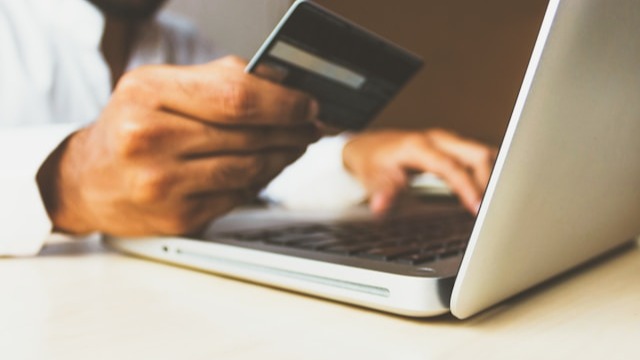
A credit card is a financial tool that lends you money up to a limit. It works like a credit line: each purchase reduces your available balance, and paying it restores it. If you prefer no debt, ARQCard by ARQ is an alternative.
Credit cards are a very common financial tool, but also one that generates many doubts. How do they differ from a debit card? What advantages do they offer?
These cards are payment methods available for spending without needing to have funds in your bank account. That is the main reason why users request them. But if you're thinking of applying for your first one or want to better understand how it works, read this article.
Credit Cards: What They Are, How They Work, and Their Benefits
What Is a Credit Card and How Does It Work?
It is a financial instrument that allows you to buy products/services today and pay for them later. Unlike a debit card, you don’t need to have money in your account at the time; the bank lends it to you. Of course, you must repay it on a scheduled date.
That is one of the main features of a credit card: you can make purchases even if you don’t have available funds. Plus, you can use it in physical or online stores, as well as choose to pay in one installment or over several months.
How Does a Credit Card Work?
It sounds very attractive, but using a credit card (TDC) isn’t free. When you pay with it, the money isn’t yours; it’s the bank covering that expense for you.
At the end of the month, you choose whether to repay everything you spent or pay in parts, though it has a usage limit.
Here’s how it works:
Every time you pay with your card, it’s deducted from the maximum available amount.
As you repay what you owe, that money becomes available again.
From your bank's app or online banking, you can check your available balance, amount used, and payment date.
Are There Different Types of Credit Cards?
Yes, and although all of them essentially allow you to buy now and pay later, they’re not all the same. Generally, credit cards can be classified by how you repay what you spend and who issues them:
By Payment Method
Full payment at the end of the month. This is the most common option. You use the card during the month and pay the total in one go on the billing date.
Deferred or revolving payment. Allows you to divide the payment into monthly installments. You can choose a fixed amount or a percentage of the total, but this method incurs interest.
By Issuer
Universal cards. Issued by banks and work with networks like VISA or Mastercard. Both are accepted at most stores, physical or online.
Private cards. Credit cards are not always issued by a bank; there are also private credit cards issued by other financial institutions or commercial chains. Their use is limited to certain stores or store groups, as they are designed for purchases within a specific brand or network.
It’s important to find out the terms your bank offers before applying for a credit card.
Why Have a Credit Card?
A credit card can be very useful if used responsibly. It not only allows you to pay later, but also offers additional benefits that simplify your daily life.
Some of the advantages of having a credit card include:
Gives you flexibility to organize your payments. You can choose when and how to pay for your purchases, whether all at once or in parts.
You don’t need to carry cash. It’s safer and more convenient, especially when traveling or making large purchases.
Helps build credit history. Used properly, it improves your credit rating for future loans.
Expense control. You can review all your spending in the app or monthly statement.
Discounts and rewards. Some cards offer points, miles, or cashback for every purchase made.
Gives you financial leeway. Useful for taking advantage of a promotion or covering an expense until income arrives.
Financing offers. Sometimes you can transfer your debt to another card with lower interest and save on payments.
Access to included insurance. Many credit cards offer protection in case of theft, lost luggage, or flight delays.
Quick cash access if needed. They allow cash withdrawals from ATMs, though it's recommended only in emergencies.
Multipurpose. You can use it in physical stores, online shops, or while traveling abroad.
Of course, the benefits depend on the type of card you have and the issuing entity.
What Should You Consider When Using a Credit Card?
When you receive a credit card, you're entering into a commitment with the bank. So, it's important to understand how to use a credit card for the first time to avoid common mistakes.
Here are the aspects you should consider:
Installments and Payments
You can pay for your purchases in one installment or split them into several. However, the second option includes an interest rate set by the bank. In some countries, you can choose how many installments you want at the time of purchase.
Interest
This is the cost the bank charges you for lending money.
If you pay the total on time, no interest is charged.
If you only pay part, monthly interest begins to accumulate.
The smaller the installment, the more interest you accumulate.
Fees
Some issuers charge bank fees for issuing the card, using it abroad, or withdrawing cash at ATMs. This should appear in the contract, so read it to know when these charges apply.
Total Annual Cost (CAT)
Before signing up, it’s essential to check the CAT, i.e., the real cost of using the credit card. This includes interest, fees, and any other charges attached to the card.
Credit Limit
Each credit card comes with a maximum amount of money available to spend, defined by the bank based on your income or history.
Ideally, stay below 30% of your limit instead of using the full amount to maintain better control.
Available Balance
This is the portion of credit you have free to keep using. Each time you make a payment, that amount is deducted from your debt and becomes available again for future purchases.
Billing and Due Dates
Credit cards have a billing date and a payment due date. The first is when your statement is generated, and the second is the deadline to settle your debt. If you miss it, interest or late fees may apply.
Statement
Each month you’ll receive a summary of everything you bought: how much you owe, what interest applies, and how much you must pay. This information is accessible via your bank’s app.
Are there any credit cards in Mexico that don't charge fees?
Yes, in Mexico there are credit cards that waive certain fees, such as annual fees, issuance fees, or certain administrative charges. However, this doesn’t mean they’re completely free in every case.
Before choosing one, you should check:
the CAT,
the interest rate,
the conditions for waiving the annual fee,
cash advance fees,
late payment fees,
and fees for international purchases.
A card with no annual fee can be useful if you want to build credit history or have a backup line of credit without paying fixed costs. But you shouldn’t decide based solely on the most obvious fee.
It also matters how you’ll use it. For example, whether you pay the full balance each month, shop online, travel, or look for benefits like cashback, interest-free periods, or included insurance.
For a more comprehensive overview of the available options, check out this guide to credit cards in Mexico. It will help you understand, compare, and choose the right card easily, with all the information you need.
However, it’s always a good idea to confirm the terms and conditions directly with the bank or issuer before applying for any product.
How do I know which credit card in Mexico is best for me?
The best credit card is the one that best fits your financial profile and spending habits. To make the right choice, you should first ask yourself what you need it for:
build credit history,
finance purchases,
earn rewards,
travel, shop online,
or have a backup plan for emergencies.
It’s also important to assess your ability to pay. If you typically pay off the full balance each month, you can prioritize benefits like cashback, points, or miles. If you have the option to finance purchases, then the interest rate, the annual percentage rate (APR), and fees become more important than the rewards.
If you don’t choose wisely, the benefits a card offers will lose value compared to the interest you accrue.
Another key point is to compare several options before deciding. In this process, it may be helpful to check platforms like Raisket.mx, which is presented as Mexico’s first independent financial comparison site.
This type of tool can help you filter options and better understand which card fits your profile and your needs. Even so, before signing up, review the requirements, current costs, and terms and conditions directly with the financial institution.
Precautions When Using Your Credit Card
Although using credit cards is very appealing, you must take some preventive measures.
Here are our recommendations:
Avoid inserting your card into poorly lit machines or those showing signs of tampering.
Don’t allow your card to be swiped more than twice on a terminal.
When shopping online or entering bank data, ensure the website has “https://” and a security padlock. Try not to use public networks or someone else's devices.
Keep receipts of your transactions to verify charges and have evidence in case of disputes.
Log out of online store sessions.
Taking these precautions protects your money and personal information.
ARQCard: An Alternative to Conventional Credit Cards
Where does ARQ’s ARQCard fit in?
Many wonder whether it works like a debit or credit card, but the truth is that it’s a prepaid card, which is more efficient.
If you use it with pesos in Mexico, Colombia, or Argentina, it works similarly to a debit card. But you can also use it in physical stores, online shops, or while traveling abroad since it also operates with digital dollars (USDc).
Here are the main features of ARQCard:
It’s an international Mastercard, backed by the balance in your ARQ account.
It doesn’t generate debt like a conventional credit card, but it’s also not linked to a traditional bank account.
Each time it’s used, the amount is instantly deducted from your balance.
It has no annual fees or hidden charges.
It has global coverage anywhere Mastercard is accepted.